
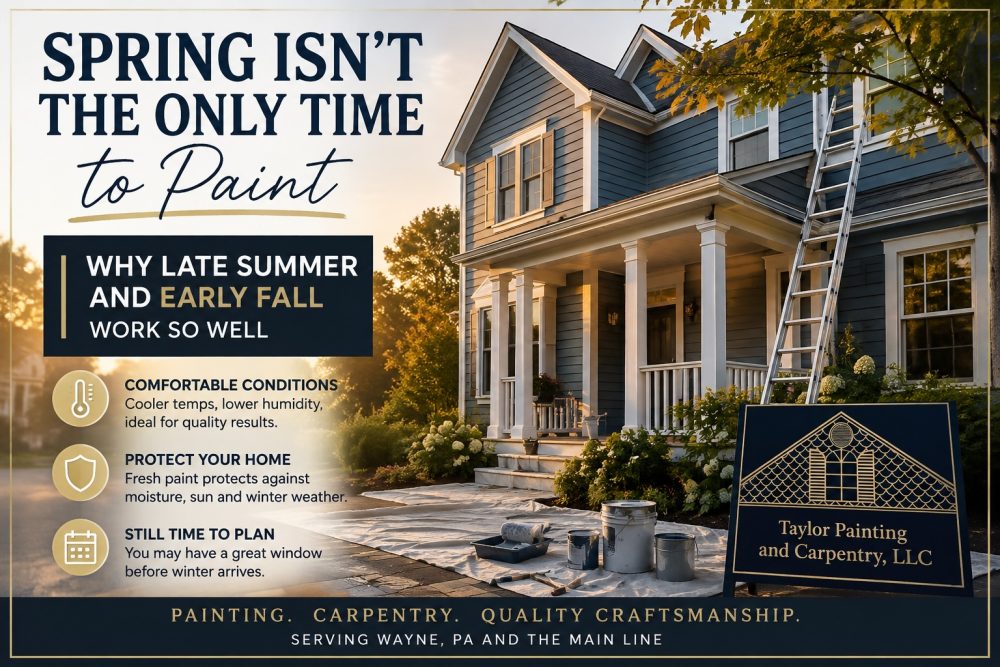
Quick Answer: Spring and summer are both excellent times for exterior painting—but they’re not the only good times. Late summer and early fall can also offer comfortable temperatures, lower humidity, and favorable conditions for paint to cure properly.
Have you ever reached August or September, looked at your home, and thought, “I guess we missed our chance to paint this year”?
You may not have.
There’s a common perception that exterior painting needs to happen in spring or early summer. Those are certainly great times to paint. But late summer and early fall can be just as good.
At Taylor Painting & Carpentry, we look at the actual conditions—not simply the month on the calendar. Temperature, humidity, rain, direct sunlight, surface temperature, and the condition of your home all matter.
A comfortable spring day can be perfect.
A mild summer day can be perfect.
And those beautiful late-August, September, and early-fall days can provide excellent painting conditions, too.
What Really Makes It a Good Time to Paint?
Exterior paint needs the right conditions to adhere and cure properly.
That’s why professional painters pay attention to more than the season.
We consider:
- Air and surface temperature
- Humidity
- Direct sunlight
- Rain in the forecast
- Overnight temperatures
- The condition and moisture level of the surface
These conditions can vary from one day to the next in any season.
Spring can bring mild temperatures but also stretches of rain. Summer offers long days, although crews sometimes need to work around intense afternoon heat. Late summer and early fall can bring their own advantages.
The key isn’t finding one perfect season. It’s knowing how to work with good painting conditions throughout the year.
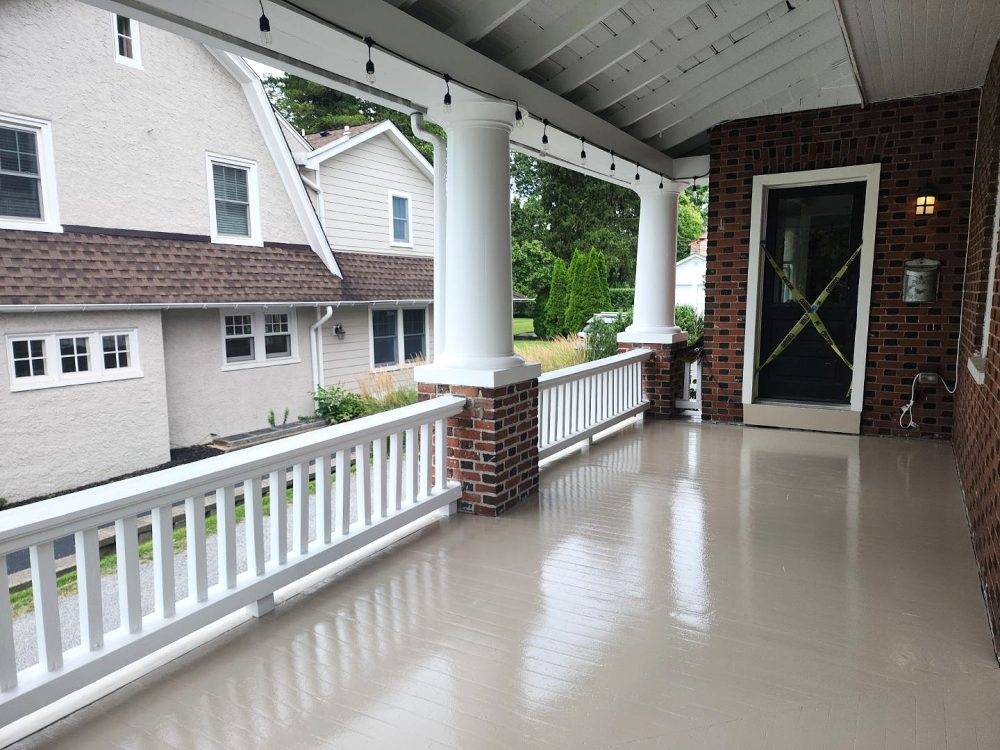
Why Late Summer and Early Fall Can Work So Well
By late summer, Pennsylvania still has plenty of warm weather ahead, while some of the intense heat and humidity may begin to ease.
That can mean:
- Warm daytime temperatures
- More comfortable mornings
- Lower humidity on many days
- Less intense afternoon heat
- Plenty of time to complete exterior work before winter
That doesn’t make late summer better than spring or early summer.
It simply makes it another excellent opportunity.
And early fall can be just as useful. September and, depending on the year, portions of October may still provide good exterior painting conditions.
Professional painters watch the forecast and plan around temperature and moisture requirements for the products being used.
Haven’t Painted Yet? You Didn’t Necessarily Miss Your Window
Maybe painting the house was on your spring list.
Then spring became summer.
Vacations happened. Work got busy. Other projects took priority.
Suddenly it’s August or September.
That doesn’t mean the project has to move to next year.
Late summer and early fall may still give you enough time to address fading paint, peeling areas, weathered trim, or exterior carpentry concerns before winter arrives.
Painting Does More Than Change the Color
Most people think about appearance when they think about exterior painting.
But paint also helps protect your home.
It creates a barrier against:
- Rain and moisture
- Sun exposure
- Changing temperatures
- Everyday weathering
When paint begins cracking, peeling, or separating from the surface, that protection can become compromised.
Once moisture reaches exposed wood, a simple painting project can begin turning into a carpentry project.
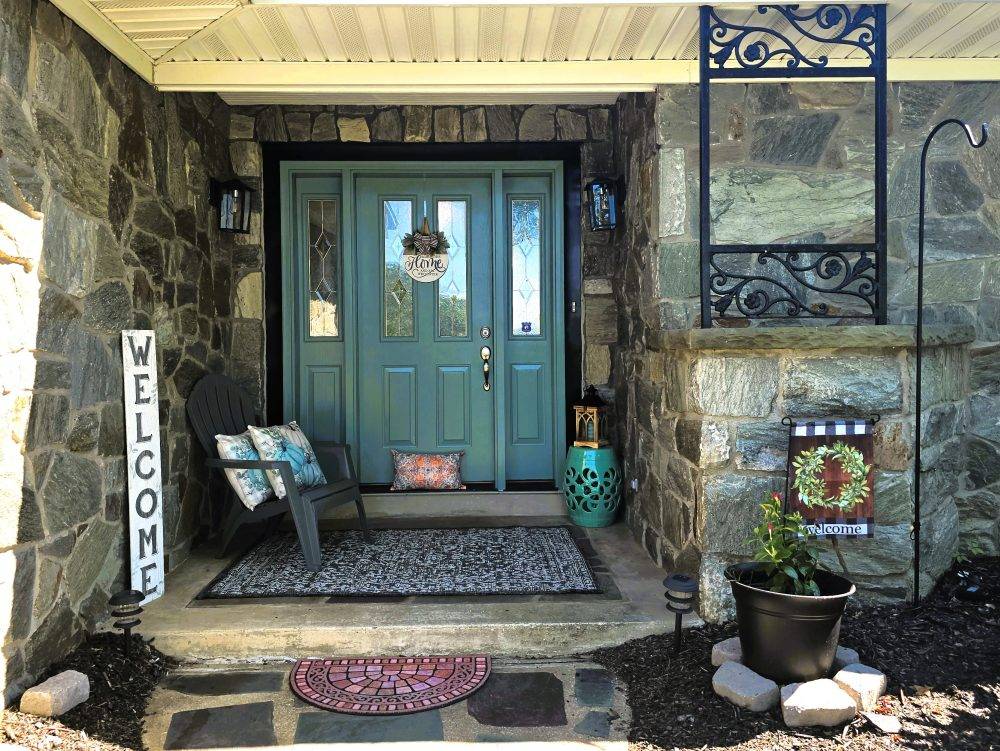
Take a Walk Around Your Home
You don’t need to be a painter to spot many early warning signs.
Look for:
Peeling or Bubbling Paint
Paint lifting from the surface may indicate moisture underneath.
Fading
Fading can be a sign that years of sunlight and weather are taking their toll.
Cracked or Missing Caulk
Pay attention around windows, doors, trim, and joints.
Soft or Deteriorating Wood
Trim, fascia, window casings, and porch components can show wear before larger areas do.
Mildew or Staining
These may indicate moisture concerns that should be checked before painting.
Finding one of these signs doesn’t automatically mean you have a major problem. Catching it early may help prevent a larger one.
Good Painting Starts Before the Paint Can Opens
Preparation is one of the biggest differences between a lasting exterior paint job and one that fails early.
Fresh paint won’t repair damaged wood.
That’s why we inspect the exterior before painting begins.
Depending on the home, preparation may include repairing or replacing:
- Trim boards
- Fascia
- Soffits
- Window casings
- Door trim
- Porch components
- Decorative woodwork
Because Taylor Painting & Carpentry provides both painting and carpentry services, homeowners don’t have to coordinate multiple contractors.
What About Really Hot Summer Days?
Summer is still an excellent painting season, but not every surface should be painted at every hour of the day.
Direct sunlight can make a surface much hotter than the surrounding air.
An experienced crew may work on one side of the house in the morning and move as the sun changes.
We monitor temperature, humidity, sun exposure, surface conditions, and the forecast throughout the project.
The same careful planning applies in spring, summer, late summer, and fall.
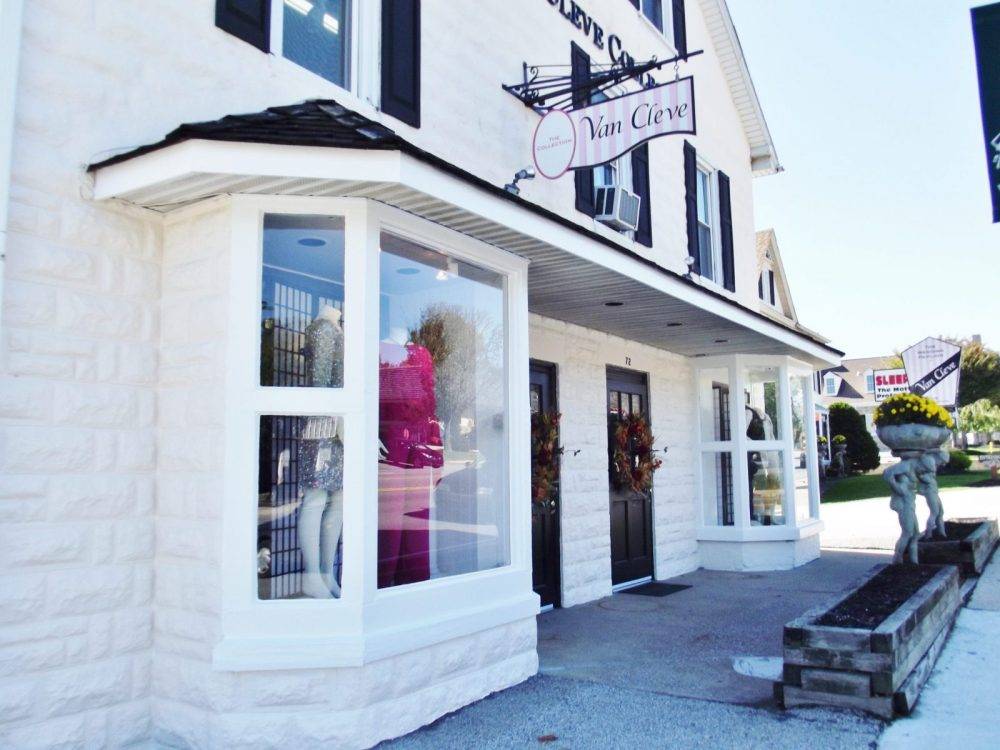
One Advantage of Painting Before Winter
Pennsylvania homes deal with heat, humidity, rain, freezing temperatures, snow, and ice.
Taking care of deteriorating paint and damaged exterior wood before winter means those surfaces head into colder weather with added protection.
That can be especially important when small cracks or exposed areas are already allowing moisture to reach wood.
Addressing problems earlier can help protect the materials underneath.
Is It Better to Wait Until Spring?
Not necessarily.
Spring can be a wonderful time to paint.
So can summer.
And when conditions cooperate, late summer and early fall can be wonderful times as well.
Instead of asking, “What’s the best season to paint?” a better question may be:
“Does my home need attention, and are the current conditions right to take care of it?”
Should both answers be yes, there may be little reason to postpone the project simply because summer is winding down.
Local Experience Matters
Homes throughout Wayne and the surrounding Main Line communities experience four distinct seasons.
One week can be hot and humid. The next can bring comfortable days and cool evenings.
At Taylor Painting & Carpentry, we’ve worked with homes throughout Ardmore, Berwyn, Bryn Mawr, Chester Springs, Devon, Downingtown, Gladwyne, Glenmoore, Haverford, Malvern, Merion Station, Narberth, Newtown Square, Paoli, Penn Valley, Phoenixville, Radnor, Rosemont, St. Davids, Strafford, Valley Forge, Villanova, Wayne, West Chester, and Wynnewood. We understand how local weather affects painted surfaces, trim, siding, and exterior woodwork.
That experience helps us determine the preparation, repairs, products, and timing that make sense for each home.
A Simple Late-Summer and Early-Fall Home Check
Before assuming painting needs to wait until next spring, spend a few minutes outside.
Ask yourself:
- Is the paint fading noticeably?
- Do I see peeling, cracking, or bubbling?
- Is caulk pulling away around windows or doors?
- Does any trim look soft or damaged?
- Are fascia or soffits showing wear?
- Is exposed wood visible anywhere?
Should something catch your attention, it may be worth having it looked at.
You may find the home is perfectly fine for another season.
Or you may discover that taking care of a few things now could prevent a much larger job later.
Don’t Let the Calendar Make the Decision for You
Spring isn’t the only time to paint.
There are many excellent painting days throughout spring, summer, late summer, and early fall.
The best time for your home comes down to the condition of the exterior and whether the weather provides the right conditions to do the work properly.
So should you look at your home in August or September and think you missed your opportunity, take another look.
There may still be plenty of good painting weather ahead.
At Taylor Painting & Carpentry, we’re happy to inspect your home, talk through what you’re seeing, and help you determine whether now is the right time to paint—or whether waiting makes more sense.
Call: (610)-220-0980
Frequently Asked Questions
Is late summer or early fall still a good time to paint a house?
Yes. Spring and summer are excellent painting seasons, and late summer into early fall can also provide favorable conditions.
Is late summer better than spring for exterior painting?
Not necessarily. Both can offer excellent painting conditions. The weather and surface conditions matter more than the season itself.
Can you paint a house in August or September?
Often, yes. Professional painters monitor temperature, humidity, sun exposure, surface temperature, and weather forecasts before and during the project.
Should damaged wood be repaired before painting?
Yes. Damaged or deteriorated wood should be addressed before painting whenever possible so the new finish has a solid surface to protect.
Does painting before winter help protect my home?
A properly prepared and painted exterior helps protect surfaces from moisture, sunlight, and changing weather.
Still Wondering Whether There’s Time to Paint This Year?
You don’t have to decide based on the calendar alone.
Should your home need exterior painting or carpentry repairs, Taylor Painting & Carpentry can take a look and help you determine the next step.
Your painting season may not be over yet.